Navagraha — The Nine Planets of Vedic Astrology
The nine cosmic forces that govern time, karma, and the unfolding of every human life.
What Are the Navagrahas?
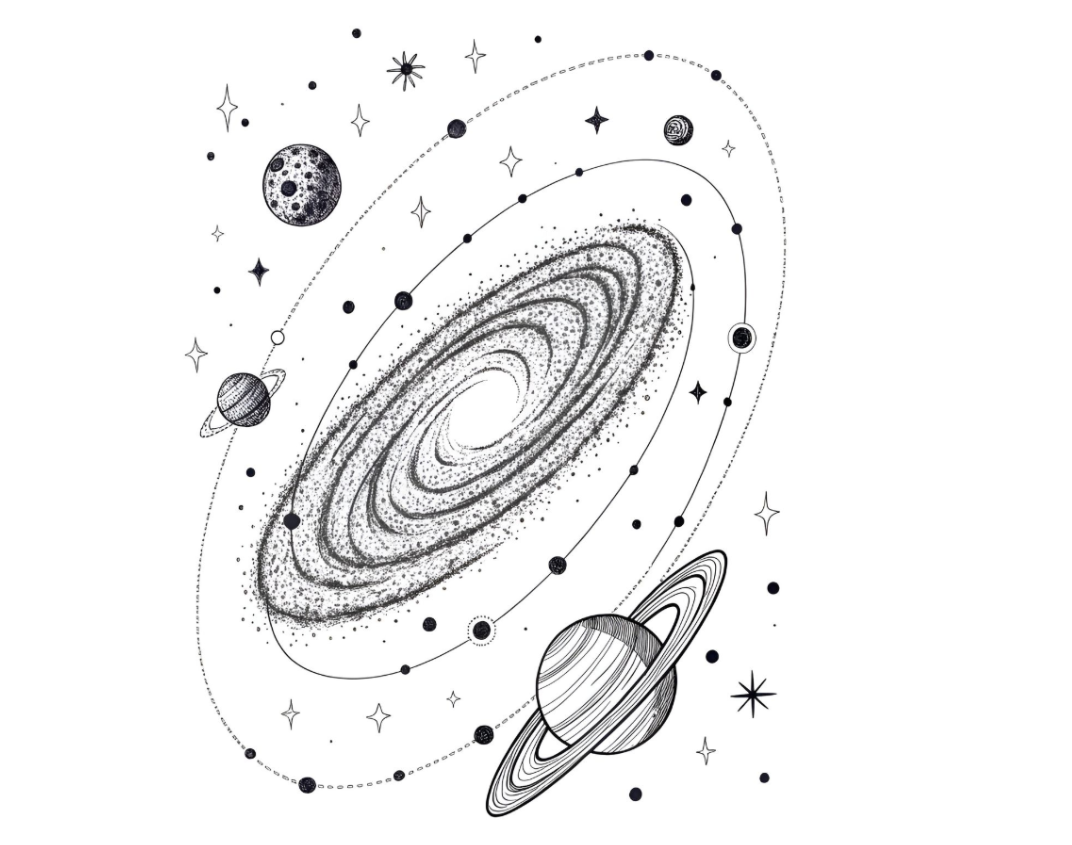
Navagraha (नवग्रह) means nine planets — Nava (nine) + Graha (that which seizes or takes hold). In Vedic astrology, the Navagrahas are the nine celestial bodies and mathematical points whose positions at the time of birth shape the karmic blueprint of a human life. They are: Surya (Sun), Chandra (Moon), Mangal (Mars), Budha (Mercury), Guru (Jupiter), Shukra (Venus), Shani (Saturn), Rahu (North Node of Moon), and Ketu (South Node of Moon).
The word Graha comes from the Sanskrit root 'Grah' — to seize or grasp. The Grahas seize the native's consciousness and direct it toward particular life experiences, lessons, and karmic resolutions. Each Graha governs specific life areas (health, career, relationships, wealth, spirituality), specific body parts, specific Nakshatras in the Vimshottari Dasha system, and a specific period of years in the Vimshottari Dasha cycle. Understanding your Grahas — their placement, strength, and mutual relationships — is understanding the structure of your karma.
The Navagrahas include seven visible celestial bodies (Sapta Grahas): the Sun, Moon, Mars, Mercury, Jupiter, Venus, and Saturn. They also include two Chaya Grahas (shadow planets): Rahu and Ketu — the North and South Nodes of the Moon. These are mathematical points, not physical bodies, but in Vedic astrology their karmic influence is considered as powerful as any physical planet — sometimes more so.
Your birth chart shows the positions of all nine Grahas at your exact moment of birth. Download the Atri Astrology app and enter your birth details to see your complete Graha placements for free.
Explore Each Graha

Sun— Surya
The soul, ego, and father figure — the Atmakaraka.
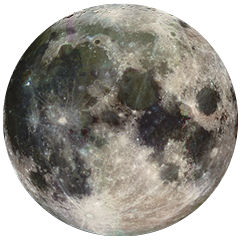
Moon— Chandra
The mind, emotions, and mother figure.
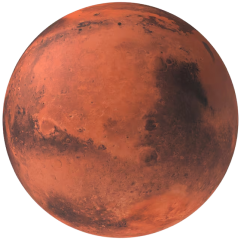
Mars— Mangal
Energy, action, courage, and younger siblings.
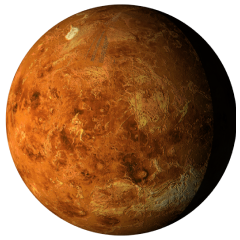
Mercury— Budha
Communication, intellect, and business.
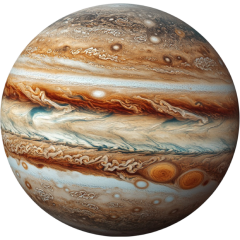
Jupiter— Guru
Wisdom, expansion, fortune, and divine grace.
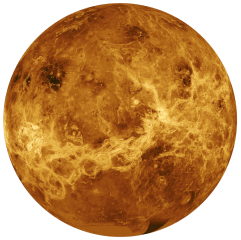
Venus— Shukra
Love, attraction, pleasure, and beauty.
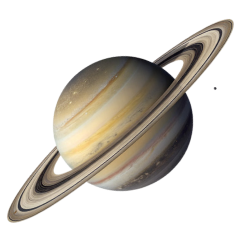
Saturn— Shani
Karma, discipline, delays, and structure.

Rahu— Rahu
North Node — worldly desire, obsession, ambition.

Ketu— Ketu
South Node — detachment, spirituality, liberation.
The Nine Grahas — Complete Overview
| # | Graha | English | Own Sign | Dasha Yrs | Day | Gem | Direction |
|---|---|---|---|---|---|---|---|
| 1 | Surya | Sun | Leo | 6 | Sunday | Ruby | East |
| 2 | Chandra | Moon | Cancer | 10 | Monday | Pearl | North-West |
| 3 | Mangal | Mars | Aries | 7 | Tuesday | Red Coral | South |
| 4 | Budha | Mercury | Gemini | 17 | Wednesday | Emerald | North |
| 5 | Guru | Jupiter | Sagittarius | 16 | Thursday | Yellow Sapphire | North-East |
| 6 | Shukra | Venus | Taurus | 20 | Friday | Diamond | South-East |
| 7 | Shani | Saturn | Capricorn | 19 | Saturday | Blue Sapphire | West |
| 8 | Rahu | North Node of Moon | — | 18 | Saturday | Hessonite Garnet | South-West |
| 9 | Ketu | South Node of Moon | — | 7 | Tuesday | Cat's Eye | North-West |
Graha Classification in Vedic Astrology
| Category | Grahas | Quality | Key Role |
|---|---|---|---|
| Shubha (Natural Benefics) | Jupiter, Venus, Mercury (with benefics), Waxing Moon | Expansive, nurturing, protective | Bring growth, grace, wisdom, and auspicious results in the houses they occupy and aspect |
| Krura (Natural Malefics) | Saturn, Mars, Sun, Rahu, Ketu, Waning Moon, Mercury (with malefics) | Contracting, testing, intense | Create challenges, discipline, and transformation — not inherently harmful in all placements |
| Chaya Grahas (Shadow) | Rahu, Ketu | Mathematical points — karmic, psychological | No physical substance — act through obsession (Rahu) and detachment (Ketu) on the karmic axis |
| Yoga Karakas | Varies by Lagna — e.g. Mars for Cancer/Leo, Saturn for Taurus/Libra Lagna | Most auspicious planet for that Ascendant | A planet that rules both a Kendra and Trikona for a specific Lagna — extremely auspicious |
| Functional Benefics/Malefics | Determined by each Lagna individually | Based on house lordship, not natural quality | Depends entirely on which houses the planet rules in the individual chart |
Vimshottari Dasha — The Planetary Period System
The Vimshottari Dasha system is a 120-year cycle of nine planetary periods, each ruled by one of the Navagrahas. The starting point in the cycle is determined by the Nakshatra the Moon occupied at the time of birth. The Dasha sequence always follows the same order: Ketu → Venus → Sun → Moon → Mars → Rahu → Jupiter → Saturn → Mercury → and back to Ketu.
Each Dasha period activates the themes of that planet's house placement, sign, aspects, and natural significations in the native's chart. Within each major period (Mahadasha) are nine sub-periods (Antardashas), each also ruled by one of the nine Grahas. This creates a precise timing system that Vedic astrologers use to identify when specific life events are most likely to unfold.
| Graha | Mahadasha Duration | Sequence |
|---|---|---|
| Ketu | 7 years | 1st |
| Shukra (Venus) | 20 years | 2nd |
| Surya (Sun) | 6 years | 3rd |
| Chandra (Moon) | 10 years | 4th |
| Mangal (Mars) | 7 years | 5th |
| Rahu | 18 years | 6th |
| Guru (Jupiter) | 16 years | 7th |
| Shani (Saturn) | 19 years | 8th |
| Budha (Mercury) | 17 years | 9th |
Frequently Asked Questions
No single Graha is most important — importance depends on the individual chart. However, the Lagna lord (ruler of the Ascendant) is the single most influential planet in any chart. Among natural significators, Jupiter (for wisdom and fortune) and Saturn (for karma and longevity) carry the greatest long-term weight. The Moon is the most personally felt planet in daily life. The Sun governs the soul's purpose.
Natural benefics (Jupiter, Venus, Mercury, waxing Moon) are benefic by their own nature — they tend to give positive results wherever they are placed. Functional benefics are determined by the Lagna: a planet that rules auspicious houses (Trikona or Kendra) for a specific Ascendant becomes a functional benefic for that Lagna, regardless of its natural quality. Mars is a natural malefic but a Yoga Karaka (most auspicious) for Cancer and Leo Ascendants.
Every Graha aspects the house directly opposite it (7th aspect). Additionally, Mars has special aspects on the 4th and 8th houses from itself. Jupiter has special aspects on the 5th and 9th. Saturn has special aspects on the 3rd and 10th. Rahu and Ketu aspect the 5th and 9th from themselves in some traditions. Aspects from Jupiter and Venus are considered auspicious on any house they fall on; aspects from Saturn and Mars require more careful assessment.
Graha Yogas are specific combinations of planetary placements that produce notable life outcomes — either exceptionally positive (Raja Yoga, Dhana Yoga, Gaja Kesari Yoga) or challenging (Kemadruma Yoga, Daridra Yoga). The most auspicious Yogas form when the lords of Kendra and Trikona houses conjoin, exchange signs, or aspect each other. Vedic astrology has identified hundreds of named Yogas, each with specific conditions and predicted outcomes.
Rahu and Ketu are Chaya Grahas — shadow planets with no physical body. They always move retrograde and are always exactly 180° apart. They have no own signs (though classical texts assign them sign affinities). They absorb and amplify the qualities of their sign dispositor. Their action is primarily psychological and karmic — Rahu through obsessive worldly desire, Ketu through detachment and spiritual dissolution. They do not rule any day of the week as the seven Sapta Grahas do.
Karaka means significator — each Graha is the natural signifier of specific life areas. Jupiter is the Karaka of children, wisdom, and fortune. Venus is the Karaka of marriage (for men), beauty, and pleasure. Saturn is the Karaka of longevity, karma, and service. Mars is the Karaka of younger siblings, courage, and land. When the Karaka of a life area is strong in the chart, that area tends to flourish. When afflicted, challenges arise in that specific domain.
The Lagna lord and Atmakaraka (the planet with the highest degree in the chart) are typically the two most significant personal planets. Beyond these, the planets ruling or occupying the 1st, 5th, and 9th houses (Dharma Trines) are especially important. The current Mahadasha lord is the most active planet in your life right now. Enter your birth details on Atri Astrology to see your complete Graha analysis, current Dasha, and personalised chart reading.