Summary
- The nine planets in astrology are called Navgrah: Sun, Moon, Mars, Mercury, Jupiter, Venus, Saturn, Rahu, and Ketu.
- Vedic astrology uses Rahu and Ketu (shadow planets) instead of Uranus and Neptune (which are planets in astronomy).
- These celestial bodies influence many life areas—personality, emotions, work, relationships, and decision-making.
- They also influence reading patterns used in zodiac signs daily horoscope today and horoscope matching for marriage by analyzing transits and compatibility factors.
Introduction
For thousands of years, astrology has fascinated people by showing how the positions of celestial bodies affect our lives. Ancient Vedic sages saw these cosmic forces as more than objects in the sky—each planet carries a unique vibration that can influence our consciousness, daily choices, and major life events.
Discover which planets influence wealth, success, and financial growth in your birth chart.
9 Planets and Their Significance in Astrology
The 9 planets name in astrology includes seven visible celestial bodies and two mathematical eclipse points. Together, they form the complete Navgrah system. Here’s what each planet represents and how it may show up in your life:
Surya (The Sun)
Surya represents the soul, confidence, vitality, authority, and father figures. A strong Sun supports leadership, self-esteem, and recognition—often linked to success in government or high-responsibility roles. The Sun rules Leo and influences identity and life direction.
Chandra (The Moon)
Chandra governs emotions, intuition, the subconscious mind, and mother figures. It influences memory, mental peace, and emotional stability. The Moon rules Cancer and is especially important in short-term forecasting—making it highly relevant for zodiac signs daily horoscope today.
Mangal (Mars)
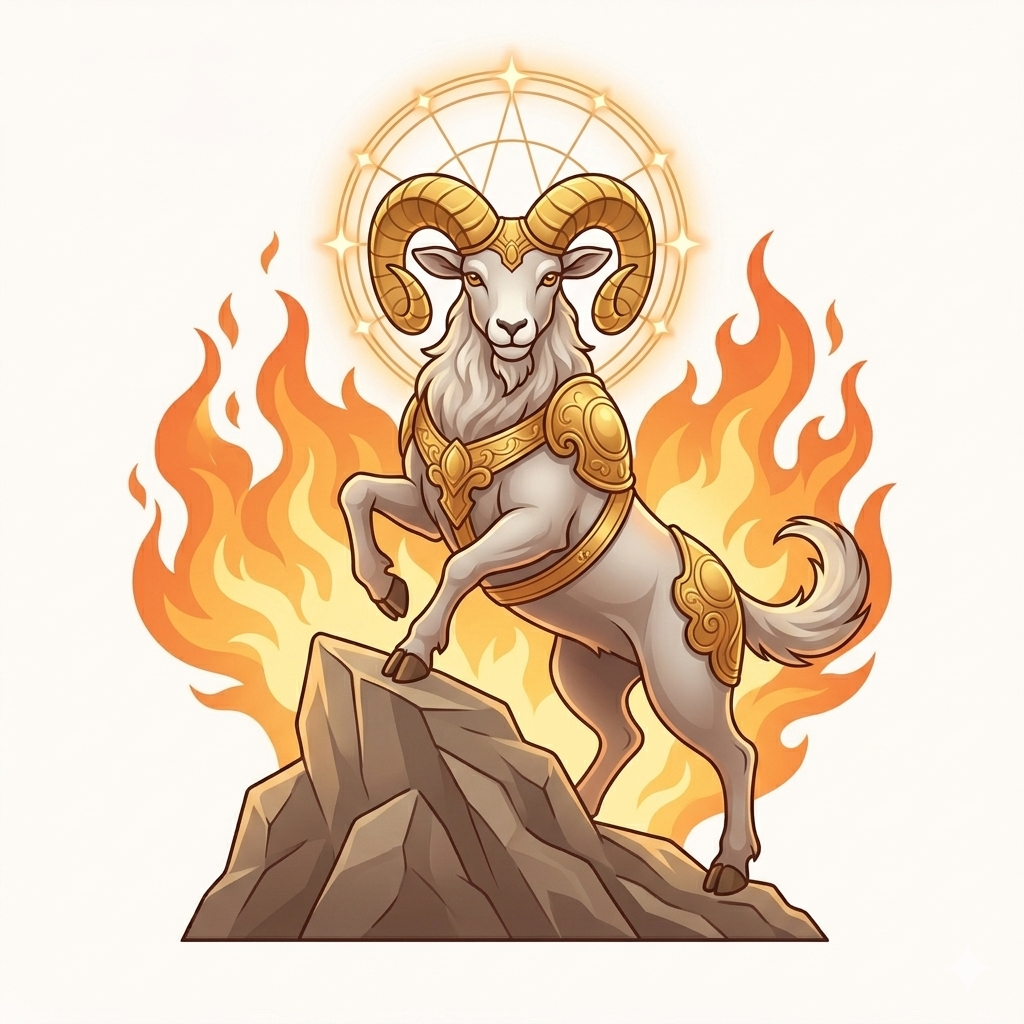
Mangal represents energy, courage, ambition, passion, and action. Mars rules Aries and Scorpio and can influence property matters, athletic drive, and sibling dynamics. Mars is also important in horoscope matching for marriage, especially for Manglik/Kuja dosha analysis.
Budh (Mercury)
Budh represents intelligence, communication, learning, logic, and business sense. It impacts speaking, writing, trade, and analysis. Mercury rules Gemini and Virgo.
Brihaspati (Jupiter)
Brihaspati symbolizes wisdom, knowledge, spirituality, guidance, and fortune. It rules Sagittarius and Pisces and influences education, children, values, and growth. A strong Jupiter (Guru) is often linked to success and a philosophical mindset.
Shukra (Venus)
Shukra governs love, beauty, relationships, comforts, art, and luxury. Venus rules Taurus and Libra, influencing marriage harmony, attraction, aesthetics, and financial enjoyment.
Shani (Saturn)
Shani represents discipline, karma, responsibility, patience, and long-term results. Saturn is often viewed as a strict teacher—lessons may come through delays, effort, and consistency. It rules Capricorn and Aquarius and rewards hard work over time.
Rahu (North Node)
Rahu represents desires, obsessions, sudden change, foreign connections, and unconventional thinking. It can intensify ambition and drive, influencing technology, global exposure, and rapid rises—sometimes through unusual paths.
Ketu (South Node)
Ketu represents detachment, spirituality, intuition, and past-life patterns. It supports inner growth, mysticism, and the ability to let go of worldly attachments, often pushing a person toward deeper self-realization.
What Are the Planets in Astrology and How Does It Affect Life on Earth?
Astrology’s planets don’t work the same way as the nine planets in the solar system that astronomers study. Vedic astrology is more about how planets look from Earth. This difference is important because astrological planets include Rahu and Ketu (mathematical eclipse points) instead of Uranus, Neptune, and Pluto.
The 12 houses of your birth chart each have a specific place for each planet.
- These unique combinations shape your personality, career prospects, relationships, and the path your life will take. When astrologers look at your daily horoscope, they look at planetary transits, which are how the positions of the planets right now affect your birth chart.
- The effects of the planets show up in many ways:
- First, their natural meanings don’t change; for example, Jupiter always stands for wisdom, no matter what your chart says.
- Second, their house lordships make things happen that are specific to your ascendant.
- Third, where they are in houses activates specific areas of life.
- Finally, the way they relate to other planets and their aspects create yogas, or combinations, that have certain effects.
- Astrologers look at Venus (love), Mars (passion), and the 7th house (partnerships) in both charts to see if the two people are a good match for marriage.
- The nakshatra compatibility of the Moon and the planetary dashas (time periods) decide how well a couple gets along and when they should get married.
- Mahadasha and Antardasha are planetary periods that activate certain planet energies at different times in your life. You might learn new things or grow spiritually during Jupiter’s time. Saturn’s time may help you build a stable career through hard work. Knowing these cycles helps you do things in sync with the rhythms of the universe for the best results.
Conclusion
Whether you’re exploring horoscope matching for marriage or reading zodiac signs daily horoscope today, understanding the Navgrah helps you interpret life themes with more clarity. If you want deeper personalized insights, connect with astrologers at Atri for guidance that can support better decisions and long-term growth.
Frequently Asked Questions
What are the 9 vedic planets?
The Vedas say that there are nine planets, called Navgrah. They are Surya (the Sun), Chandra (the Moon), Mangal (Mars), Budh (Mercury), Brihaspati (Jupiter), Shukra (Venus), Shani (Saturn), Rahu (North Node), and Ketu (South Node).
Which God controls all 9 planets?
In Hindu mythology, Lord Shiva is the highest god and the one who rules over all nine planets. But each planet is also linked to a certain god: Surya is the god of the Sun, Chandra is the god of the Moon, Kartikeya is the god of Mars, Vishnu is the god of Mercury, Brihaspati is the god of Jupiter, Lakshmi is the god of Venus, Yama is the god of Saturn, and Rahu and Ketu are the gods of snakes.
What is the difference between 9 planets of the solar system and 9 planets in vedic astrology?
The 9 planets in the solar system (Mercury, Venus, Earth, Mars, Jupiter, Saturn, Uranus, Neptune) are not the same as the Navgrah in Vedic astrology. Astrology doesn’t include Earth, Uranus, or Neptune, but it does include the Sun, Moon, Rahu, and Ketu, which are points in the sky where the moon and sun cross each other’s paths.
Is studying birth charts in vedic astrology the same as zodiac signs daily horoscopes today?
No, studying birth charts is different because it is based on the moon sign. But horoscopes in daily newspapers are often based on the sun signs.
What does each planet in vedic astrology represent?
Each planet stands for a different part of life: Sun rules the soul and authority, Moon rules emotions, Mars rules energy and courage, Mercury rules intelligence, Jupiter represents wisdom, Venus rules love and beauty, Saturn represents discipline, and Rahu and Ketu show karmic influences and spiritual growth, respectively.